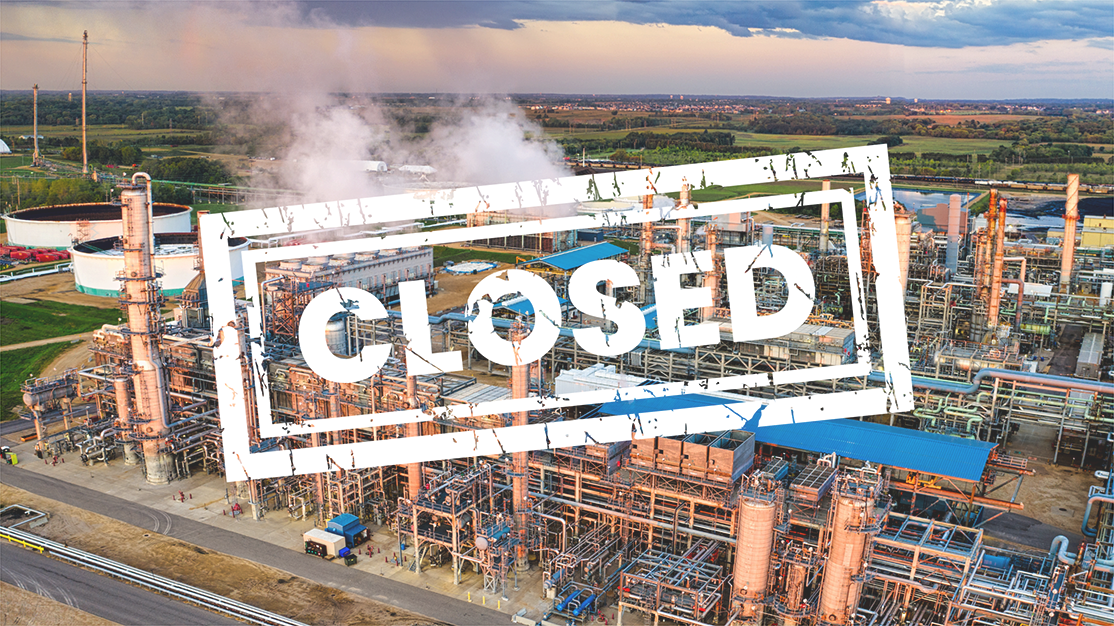
Most facility-closing timelines require coordination between real estate and operational milestones; what small and large-quantity hazardous waste generators don’t realize is that the proper identification and removal of waste takes time, too.
Waste disposal lead times, improperly stored/labelled waste, and some state-specific documentation all throw a wrench into your plant closure plans.
HWH Environmental is here to help with a quick guide on what to do before, during, and after a plant closure to ensure you stay in compliance and on time.

Pre-Closure Planning

Waste Identification

Post-Closure Liability
Pre-Closure Planning
The most important part of your plant closure timeline is gathering all of the information you might need to have a complete picture of your hazardous waste situation. There are a few simple steps you need to take to ensure your plant closure succeeds.
The first exercise you’ll need to do is conduct a full hazardous waste inventory across your entire building. Check any storage zones or satellite accumulation sites to ensure compliance.
Next, identify all waste streams by type: listed wastes (F, K, U, P lists), characteristic wastes (ignitable, corrosive, reactive, toxic), universal waste, and any unknown or legacy materials. This helps create any lists you might need to submit for compliance purposes.
Before you close, go through all of your hazardous waste disposal paperwork. You’ll want to audit and double-check all cradle-to-grave documentation to ensure everything is complete.
This next part is the most important: contact your hazardous waste disposal company as soon as possible. The more time you give, the less likely you’ll run into delays or waste disposal headaches.
Plant closure timelines and hazardous waste disposal rely entirely on preparation, so keeping your paperwork in order at all times helps ensure a smooth, easy closure timeline.
Waste Identification
Here is where many slip-ups occur that lead to delays and penalties: waste identification.
Unknown waste streams, improperly labeled containers, and conflicts in waste-disposal scheduling often occur during this part of the closure process.
The first thing you need to do is identify and label all known hazardous wastes in your facility. This should always be done anyway, so for most plant closures, this step is already complete.
From there, identify any combined, expired, or improperly labeled materials requiring lab pack services before the disposal company arrives. If this isn’t done, expect additional delays.
Lastly, when building your timeline, prioritize RCRA storage time limits over vendor availability. The regulatory window ensures that you stay in compliance to avoid fines and penalties.
For most small and large hazardous waste generators, the waste identification step is already completed before any conversations about plant closures, but for those who wait, it becomes a nightmare for their timeline.
Hazardous Waste Disposal
For the hazardous waste disposal portion, you’re going to need to work with a licensed and experienced hazardous waste disposal company.
HWH Environmental’s responsive customer service team connects you with a real, human representative to ensure all of your questions are answered. We focus on delivering customized solutions with detailed pricing and flexible scheduling.
Our technicians, drivers, and customer service staff are trained in EPA, OSHA, and DOT regulations to follow best practices for proper handling, transport, and disposal.
For a quote, call us at 877-777-6708 or send us a message online.
Post-Closure
RCRA’s cradle-to-grave principle means your hazardous waste liability exposure does not end when the last disposal truck leaves the site. Your liability ends only once you have confirmation that it has been properly disposed of.
Review any and all signed paper or electronic manifests to ensure all the information is correct and that your waste has been properly disposed of.
Missing, unsigned, or inaccurate manifests are one of the most frequently cited RCRA violations. During a closure, these records are most likely to be audited.
Common Hazardous Waste Mistakes During a Plant Closure
There are four common mistakes that we see surrounding hazardous waste and plant closures.
The first is waiting too long to reach out to a hazardous waste disposal company. By the time a facility realizes the disposal company cannot meet the closure timeline, it’s already too late.
Chemicals that have been in storage for years may be improperly labeled, past their shelf life, or no longer have a clear waste classification. These require extra handling and can create significant delays if they surface during removal.
Also, any missing, unsigned, or inaccurate manifests are one of the most frequently cited RCRA violations.
Lastly, one of the bigger issues is assuming that the disposal vendor assumes all liability.
Under RCRA’s cradle-to-grave framework, you remain liable as the generator even after the waste leaves your site. If your vendor disposes of waste improperly, enforcement can trace back to you.
Avoid These 4 Common Mistakes
| Mistake | Consequence |
|---|---|
| Waiting Too Long | Missed real estate deadlines and “emergency” pricing. |
| Legacy Chemicals | Expired or unlabeled items require slow, costly “unknown” testing. |
| Inaccurate Manifests | Major RCRA violations and potential fines. |
| Assuming Vendor Liability | You remain the “Generator” forever; their mistake is your legal problem. |
Is Your Facility Closing? HWH Environmental Helps With Your Hazardous Waste Disposal Needs.
If you have hazardous waste, don’t hesitate to call HWH Environmental. Our team is trained to help you with all of your disposal needs. Give us a call at 877-777-6708 or send us a message for a quote today.